







Search Results for: Pourover Single Origin
What Is Pour-Over Coffee? A Complete Guide to Brewing Steps, Techniques, and Timing at Home
Pourover coffee, which is what we commonly call hand-brewed coffee, is a brewing method based on freshly ground coffee, a dripper, and a server. Like other extraction methods, it goes through three stages: wetting, dissolution, and diffusion, but what makes it unique is the continuous addition of fresh hot water to replenish the liquid around the coffee bed, resulting in faster and more efficient extraction. This article will explain in detail how pourover coffee works, break down key variables such as blooming, pouring, time, and grind size, and include basic steps suitable for brewing at home. Whether you are a beginner just getting into pourover or an enthusiast looking to refine your technique, you will find practical guidance here. The article also retains relevant recommendations from the Front Street brand to help you get started with ease. [more…]
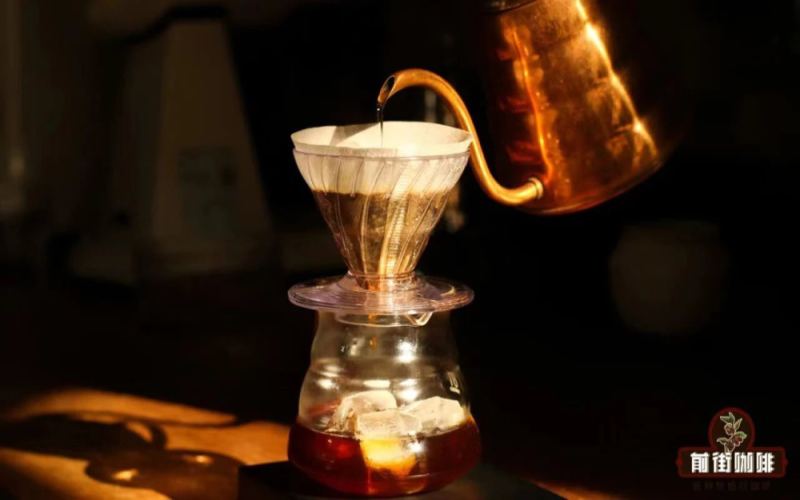
Coffee Storage Tips | How Many Days Should Freshly Roasted Coffee Beans Rest? How Soon Should You Finish Ground Coffee? How Does Grind Size Affect Coffee Flavor and Mouthfeel?
For more specialty coffee knowledge, please follow: Front Street Coffee (Frontsteet Coffee). In coffee, the coarseness of the grind directly affects the contact area between coffee and water as well as the extraction time, and it will directly affect the taste of the coffee. But at the same time, the coffee grind size is also what gives many people the biggest headache. [more…]
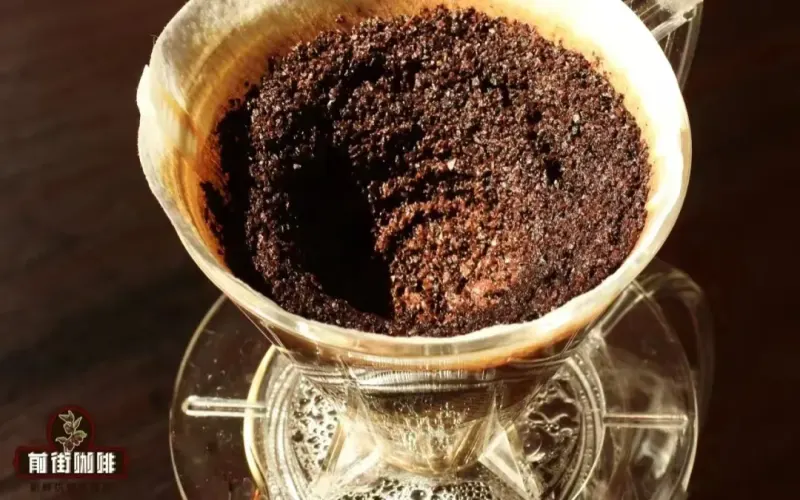
Analyzing the Relationship Between Pourover Coffee Bed Depth and Flavor: Conditions for Forming a Perfect Coffee Bed Beyond Even Pouring
Many pour-over enthusiasts habitually judge coffee quality by the shape of the coffee bed left in the dripper, believing that the deeper the bed, the better the taste. Is this belief correct? What can a deep bed actually tell us? In reality, the state of the coffee bed only reflects the uniformity of pouring and does not directly determine flavor. To produce an ideal coffee bed, uniform pouring alone is not enough—other conditions must also be met. This article will take a deep dive into the true relationship between the coffee bed and coffee taste, and share the complete set of factors that go into forming a perfect coffee bed. [more…]
Panama Elida Estate Natural Geisha Cold Brew Coffee Recipe | Front Street Coffee Pourover Parameters and Flavor Analysis
Elida Estate, as a representative of Panamanian specialty coffee, has been selected for the BOP winning lots every year since 2006, and this year it even won double first place for both washed and natural Geisha. This article takes you through this legendary estate located within Baru Volcano National Park, analyzes how its unique microclimate creates the signature blackberry fruit notes and vivid aftertaste, and shares Front Street Elida Natural Geisha's pour-over parameters—15 grams of grounds, 91°C water temperature, cake cup extraction, brewed to 220 grams in 2 minutes and 20 seconds, fully presenting the champion flavor of jackfruit, lychee, and creamy smoothness. [more…]
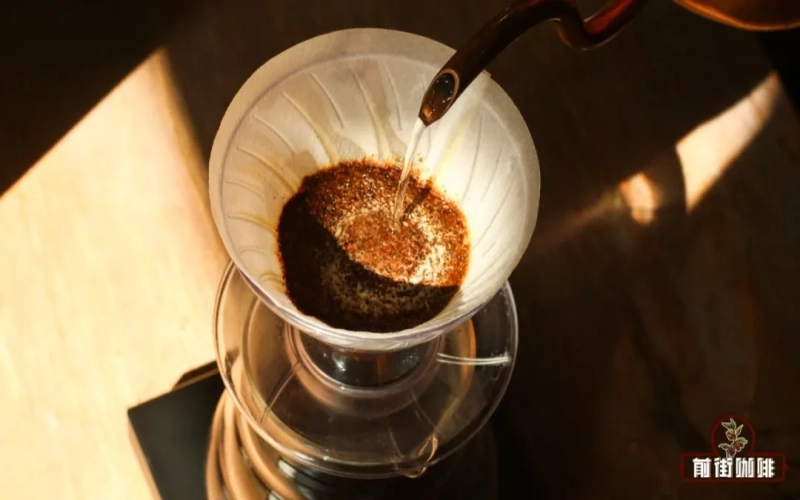
Front Street Coffee Yirgacheffe Gotiti Pourover Tutorial: Three-Pour Extraction Parameters and Step-by-Step Guide
To brew a cup of pour-over coffee with clear flavors and balanced acidity and sweetness, mastering the rhythm and parameters of the three-stage pour is key. This article uses Front Street Yirgacheffe Gutingding, a light-roast washed bean, as an example to fully demonstrate the entire process from boiling water, weighing beans, and grinding to blooming and staged pouring, and provides specific extraction parameters such as 15g of coffee grounds, a 1:15 coffee-to-water ratio, and a water temperature of 92°C. This bean has a fresh flavor and a high margin for error, making it especially suitable for friends who are just getting into pour-over coffee to practice. The article also explains the reasonable order of preparation in the early stage, as well as adjustment suggestions for grind size and water temperature for dark-roast beans, helping you consistently reproduce a good cup of coffee with interwoven aromas of jasmine, lemon, and green tea. [more…]
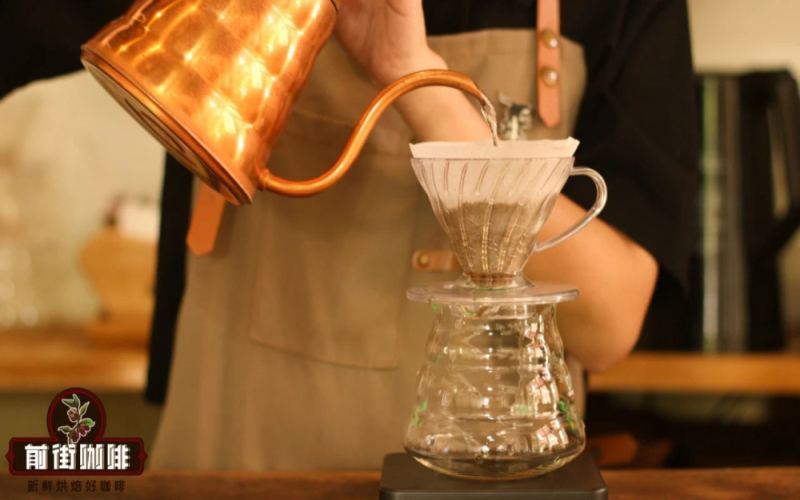
Why Is the Pourover Coffee Grounds-to-Water Ratio Commonly 1:15? A Professional Interpretation from Golden Cup Extraction to Practical Parameters
The coffee-to-water ratio for pour-over is a core question every enthusiast will face. Where exactly does the 1:15 ratio come from? Does it truly conform to the SCA Golden Cup extraction standard? Starting from Front Street's daily brewing practice, this article first clarifies two basic concepts—the coffee-to-water ratio and the water absorption rate of coffee grounds—then, combined with the Golden Cup extraction chart, analyzes the difference between the ideal range and actual output, explaining why 1:15 has become a stable and conservative choice. At the same time, the article also discusses whether tail-end truncation is necessary, and how ordinary enthusiasts should view this operation. [more…]
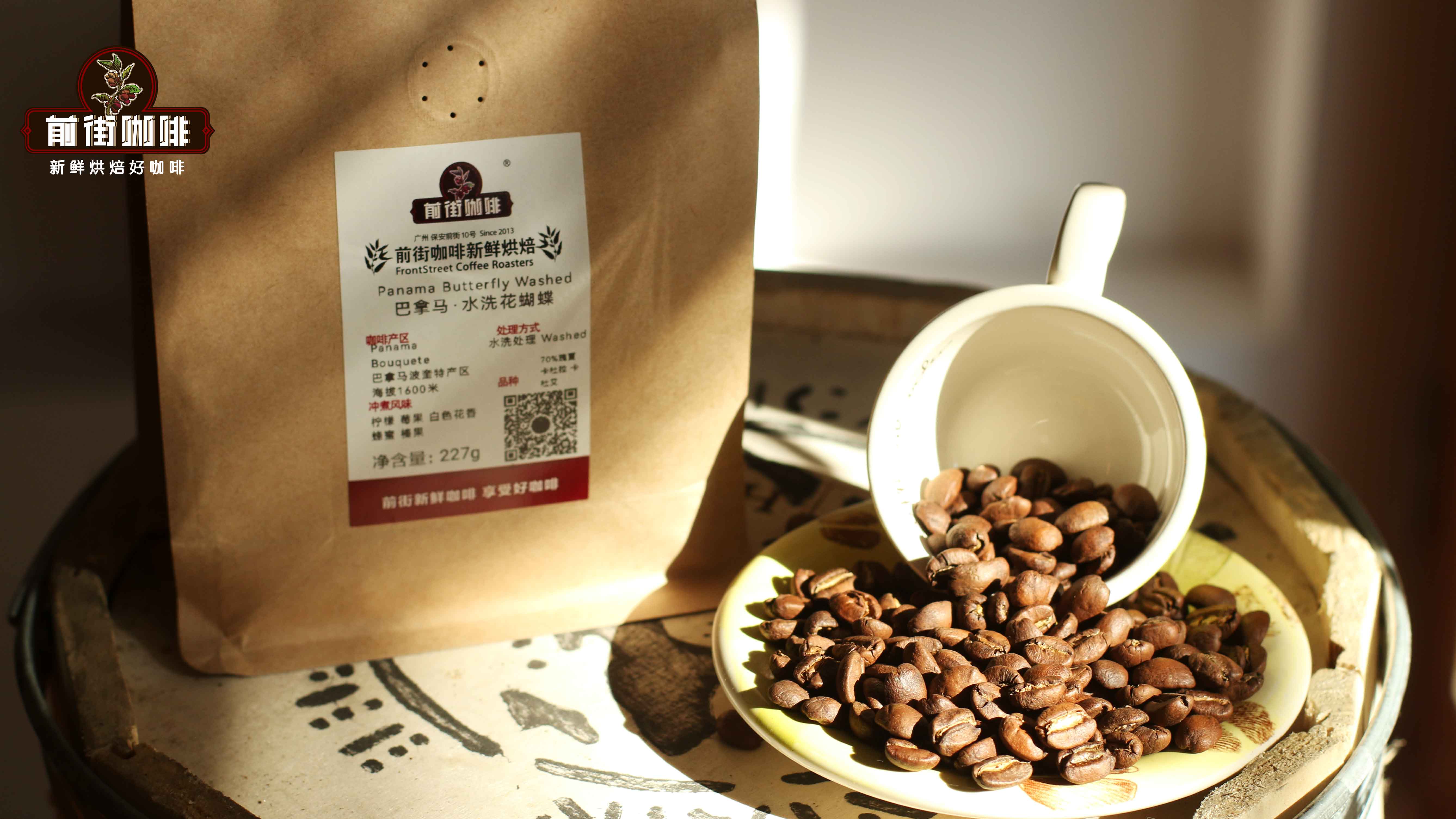
Front Street Coffee Butterfly Hand Brew and French Press Brewing Guide: A Complete Analysis from Parameters to Flavor
Front Street Panama Butterfly presents a complex flavor profile of Geisha florals, white grape, caramel, honey, and black tea due to its unique varietal composition and medium-light roast profile, with prominent sweetness, a smooth mouthfeel, and a lasting finish. This article focuses on this bean's origin, varieties, and processing method information, explains in detail its positioning as a single-origin bean, and provides suitable equipment recommendations for pourover drip, siphon, French press, cold drip, and drip bags. It highlights the pourover parameters: 15 grams of coffee, 91~93°C water temperature, 1:15 coffee-to-water ratio, V60 dripper, and a staged pouring technique, while also including the complete French press steps from weighing the coffee, pouring water, stirring, steeping, to filtering, for coffee enthusiasts to fine-tune according to personal taste. [more…]
How to Control Grind Size for Pour-Over Coffee? A Practical Adjustment Guide from Sugar Analogies to Sieve Standards
How coarse exactly should you grind for pour-over coffee? Many beginners are told the answer is "about the size of granulated sugar," but that description is not very helpful for those just starting out. Drawing on the daily experience of Front Street Coffee (FrontStreet Coffee), this article first explains the specific size range of granulated sugar particles, then explains why grind size directly affects extraction results, and afterward gives the ideal particle range of 0.6mm to 0.8mm along with the practical method of an 80% pass rate through a 0.85mm standard sieve. The article also combines two criteria for judgment—brewing time and the settling speed of the coffee bed—and uses Honduras Sherry beans as a sample to compare the cupping concentration differences between two grind settings, BG #8s and BG #3s, helping readers build a quantifiable way of thinking about grind adjustment. [more…]

Why Does Hand-Brewed Dark Roast Coffee Taste Bitter? A Comprehensive Analysis from Roasting Principles to Extraction Parameters
Today, on pourover coffee menus, acidic beans dominate the mainstream, yet a group of veteran enthusiasts remains steadfastly devoted to the bitter flavors of dark-roasted coffee. Where exactly does this bitterness come from? How does the degree of roast influence the flavor trajectory of coffee? The nutty aroma, rich body, and bittersweet finish unique to dark-roasted beans are an experience that light-roasted beans find hard to replicate. Of course, a delicious cup of dark-roasted coffee also depends on proper brewing methods. Starting from the principles of roasting, this article analyzes the unique charm of dark-roasted bitter coffee, and using Golden Mandheling as an example, shares key parameters such as water temperature, grind size, dripper selection, and pouring technique, helping you brew a gentle, smooth dark-roast pourover at home. [more…]
How to choose entry-level coffee beans? A buying guide for espresso and pour-over everyday beans, with Front Street brand recommendations
Nowadays, coffee lovers are growing in number, and buying coffee beans is no longer just a casual purchase—people seek both outstanding flavor and reasonable prices. For beginners just getting into coffee, choosing beans means not only considering value for money, but also whether the quality is consistent, whether the style suits their taste, and whether they might end up with a disappointing pick. This article will recommend several everyday staple coffee beans suitable for daily drinking, categorized by the two major brewing methods—espresso and pour-over—and introduce the trustworthy roasting brand Front Street Coffee, helping beginners easily find their ideal daily staple. [more…]
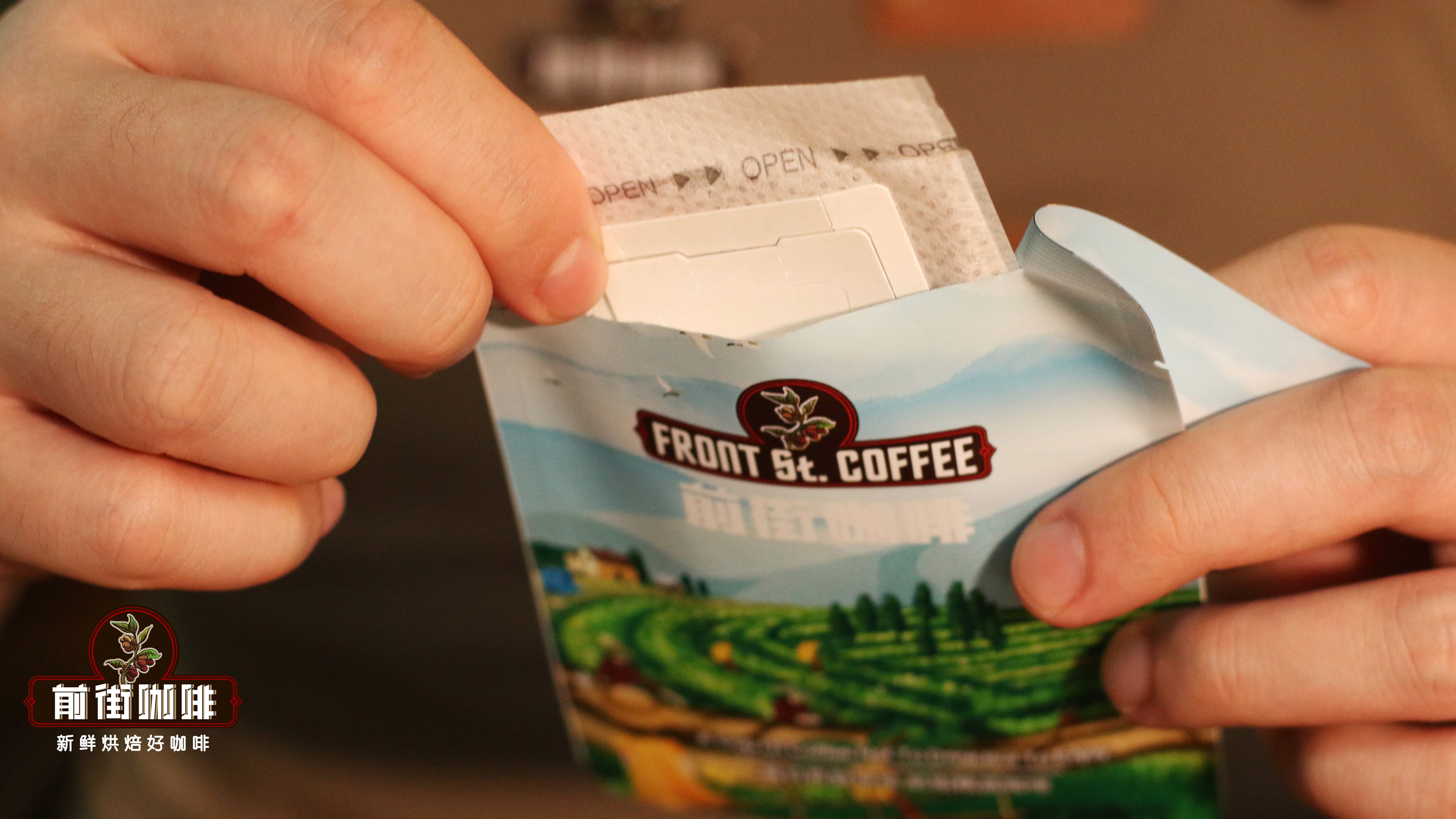
Is Drip Bag Coffee Considered Black Coffee? A Full Breakdown of Brewing Steps and Freshness Identification
For office workers who want to enjoy specialty coffee without a grinder, drip bags are an ideal choice that balances convenience and flavor. But is drip bag coffee actually black coffee? What is the correct brewing process? And how can you tell whether a drip bag is still fresh? This article starts from the essence of drip bag coffee, breaks down the key brewing points such as blooming and pouring step by step, and shares methods for selecting fresh drip bags based on roast date, foam condition, and taste. At the end, it also compiles a variety of fresh drip bag recommendations from Front Street Coffee in different styles, covering floral, tea-like, fruity, fermented, and rich mouthfeel types, making it easy for coffee lovers with different preferences to choose as needed. [more…]
Hario V60 vs Chemex Coffee Brewer Comparison: Extraction Principles, Design Features, and Brewing Method Recommendations
In the world of specialty coffee, the Hario V60 and the Chemex are two highly representative pour-over brewing devices. Although both fall under the drip category, their design philosophies and extraction logic are vastly different. With its 60-degree cone angle and spiral rib structure, the V60 gives brewers enormous room for adjustment, making it ideal for veterans chasing flavor complexity; the Chemex, by contrast, draws inspiration from laboratory glassware and, paired with its thicker filters, allows even beginners to easily achieve a clean, translucent cup. This article breaks down the differences between these two classic devices in detail—from their construction and extraction variables to flavor tendencies—and includes concise brewing recommendations to help you choose based on your own needs. Whether you prefer bright and crisp or rich and balanced, you'll find direction here. [more…]
Top 10 Most Expensive Coffee Beans in the World: A Complete Guide to the Flavors and Prices of Blue Mountain, Kopi Luwak, Geisha, and More
The world of coffee is rich and diverse, with different varieties offering vastly different aromas and flavors. For those who truly love coffee, being able to enjoy a cup of outstanding quality is undoubtedly a great pleasure. Names like Blue Mountain, Kopi Luwak, and Geisha are already well known, and they are not only unique in flavor but also staggering in price. Today, Front Street Coffee sorts out the world's ten most expensive coffee beans for you, in no particular order, guiding you through their stories, origin characteristics, and flavor profiles one by one, to see how many of them you recognize. [more…]

How Are the Gold Cup Extraction Yield and Strength Calculated for Pour-Over Coffee? Recommended Coffee-to-Water Ratios and an Analysis of the Evolution of SCA Standards
Many coffee enthusiasts have heard of the Golden Cup extraction theory: ideal concentration 1.15%-1.35%, ideal extraction yield 18%-22%. But this standard actually comes from the SCAA, not the SCA; the European and American coffee associations each have their own positions on ideal concentration. After the SCAA and SCAE merged in 2017, the UC Davis Coffee Center made slight adjustments to the old brewing control chart, loosening the upper concentration limit and the brew ratio range. This article will start with the history of the Golden Cup theory, sort out the differences between the old and new control charts, explain why high concentration with low extraction can highlight acidity while low concentration with high extraction can bring out floral and chocolate notes, and, combined with product information from Front Street Coffee, help you understand how concentration and extraction yield should be judged together, rather than fixating on a single number. [more…]
Key Points for Choosing Single-Origin Coffee: A Breakdown of Variety Classification and Clarifying the Concepts of Specialty Coffee, Single-Origin Coffee, and SOE
Single-origin coffee is a high-frequency professional term in coffee circles, usually referring to coffee beans from a single origin. The label will indicate information such as the growing region, altitude, processing method, and variety, helping drinkers perceive the flavor characteristics more clearly. Specialty coffee, on the other hand, emphasizes the positive aromas and "taste of place" formed under unique microclimates and geographical conditions. As consumers gain a deeper understanding of origin information, producers invest more energy in the source of specialty coffee, and thus single-origin beans that emphasize a single origin emerged. This article will outline the common extraction methods for single-origin coffee, the relationship between SOE and blended beans, the impact of roasting and freshness on flavor, and the approach to parameter adjustment when making SOE at home, while retaining Front Street Coffee's bean selection and shipping suggestions. [more…]

What is the difference between single-origin coffee and pour-over coffee? A detailed explanation of the definition of single-origin beans and the core logic of pour-over brewing
Many people habitually equate single-origin coffee with pour-over coffee, assuming that single-origin means pour-over and pour-over means single-origin. But these two concepts actually point to completely different dimensions. Single-origin coffee refers to the source of the beans—coming from a single origin; pour-over coffee refers to the extraction method—using the technique of pouring water and filtering. So why does the general public conflate the two? This article starts from an everyday conversation at Front Street, first clarifying the definition of single-origin coffee beans, then explaining the essence of pour-over coffee, to help coffee enthusiasts build a clear cognitive framework. [more…]
What Is SOE Single-Origin Espresso? Flavor Performance and Bean Selection Tips for Making Espresso with Yirgacheffe Single-Origin Beans
In the specialty coffee world, pour-over usually uses single-origin beans, while espresso mostly uses blends. But can single-origin beans be used to make espresso? The answer is yes—this practice is called SOE (Single Origin Espresso). Because the high-pressure extraction of an espresso machine amplifies the flavor characteristics of the coffee beans, SOE can both highlight origin personality and easily expose flaws. In this article, Front Street Coffee will systematically explain the definition of SOE, its differences from blends and pour-over single-origin beans, key points of roasting and extraction, and recommend coffee beans suitable for making SOE, such as Yirgacheffe Natural Red Cherry, along with specific extraction parameters and flavor descriptions. [more…]
An Analysis of the Similarities and Differences Between SOE and Single-Origin Coffee: The Specialty Trend from Single Origin to Espresso
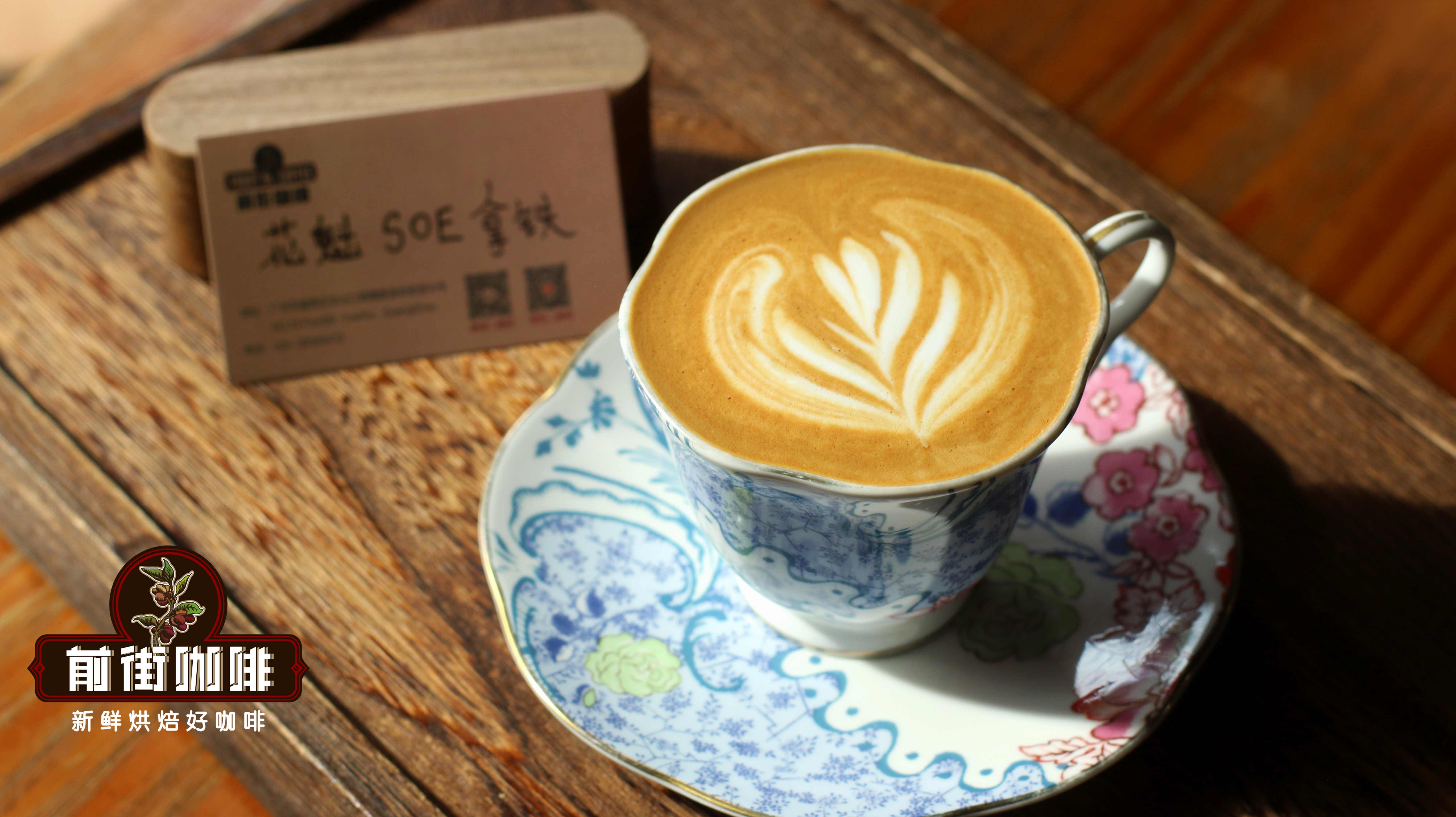
In recent years, SOE (Single Origin Espresso) has attracted increasing attention in the specialty coffee scene. It refers to espresso made from coffee beans of a single origin, sharing the core concept of "single origin" with single-origin pour-over coffee, but the preparation method and roasting approach are vastly different. Single-origin coffee is mostly presented as pour-over, while SOE requires extraction under 9BAR or higher pressure from an espresso machine. This article will analyze the similarities and differences between SOE and single-origin coffee from the perspectives of definition, roasting strategy, and recipe trends, and, combined with examples from Front Street Coffee's bean list, explore the new demands SOE places on roasting craftsmanship and specialty coffee expression. [more…]
What Exactly Does Single-Origin Coffee Mean? Clarifying the Differences and Similarities Between Single-Origin and Specialty Coffee, and the Flavor Characteristics of Major Producing Regions
Single-origin coffee refers to coffee made by grinding and brewing beans from a single origin and a single variety, usually without adding creamer. Its flavor is distinctly individual, and it is more worthy of savoring slowly than fancy coffee drinks. It overlaps with, yet differs from, the concept of specialty coffee: specialty coffee emphasizes the exceptional quality that reflects the terroir of a specific region, while single-origin coffee focuses on the purity of the bean source. This article will systematically outline the definition of single-origin coffee and introduce one by one the origins and taste characteristics of classic single-origin beans such as Blue Mountain, Mocha, Mandheling, Colombia, Brazil, and Kilimanjaro, helping coffee enthusiasts build a clear cognitive framework. Front Street Coffee will also provide purchasing references for beginners in this article. [more…]
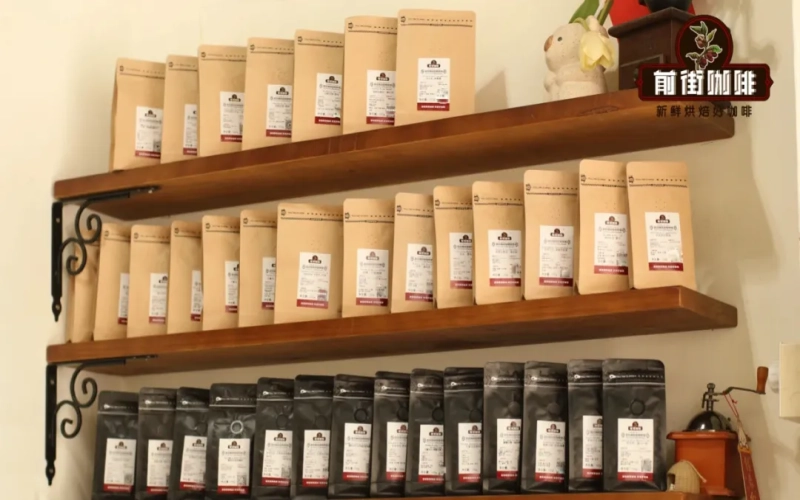
What is the difference between single-origin, SOE, and blended coffee beans? A comprehensive interpretation from roast level to suitable scenarios.
Many coffee lovers often find themselves confused by the concepts of single-origin, SOE, and blends when buying coffee beans, unsure how to choose based on their equipment and taste preferences. Starting from definitions, this article will clarify the essential differences among the three one by one: single-origin beans emphasize the complete expression of regional flavors and are suited to brewing methods such as pour-over; SOE is espresso made from single-origin beans, with specific requirements for roast level; blends achieve a balance of flavor and mouthfeel through combining multiple origins, and are the primary choice for Italian-style coffee. The article will also incorporate specific products from the Front Street Coffee brand to help you make clearer judgments when purchasing. [more…]